Diagnostics at Home
Comprehensive diagnostic testing for vascular disease & wounds — in the comfort of your own home.
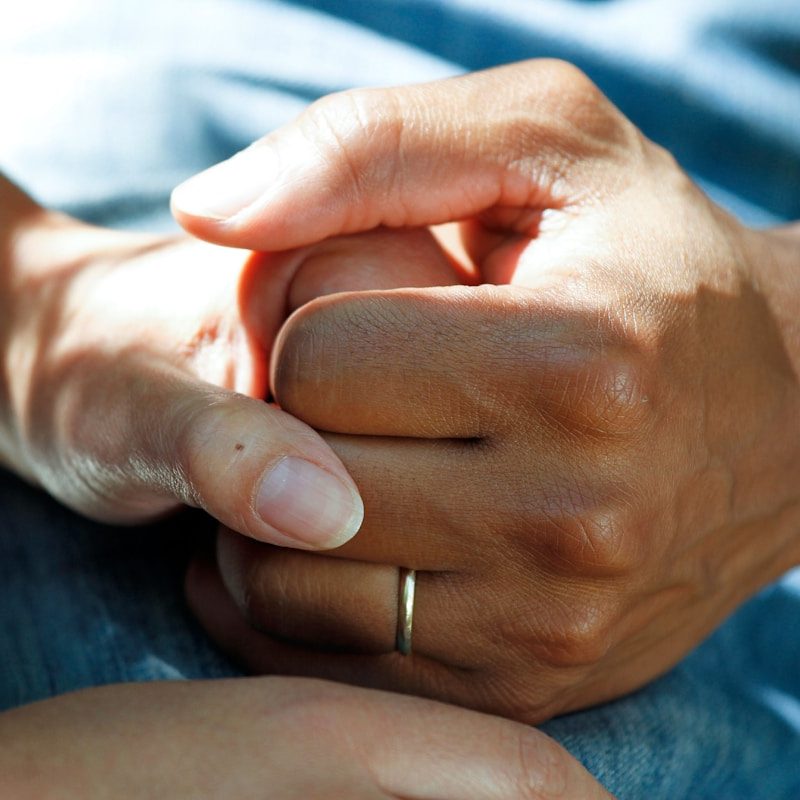
Care that comes to you.
At Endovascular Solutions, we are proud to offer comprehensive diagnostic testing for vascular disease & wounds in the comfort of your own home. Our Nurse Practitioners and sonographers travel around New Jersey seeing patients before they ever need to come to our in-person lab.
This is an excellent way to understand the disease and helps the clinicians decide which type of procedure is the most appropriate. Diagnostic testing includes ultrasound, vascular consult, wound consult, and limb preservation consult, and can be conducted at home (for no additional cost) or in-office.
Ultrasound Imaging
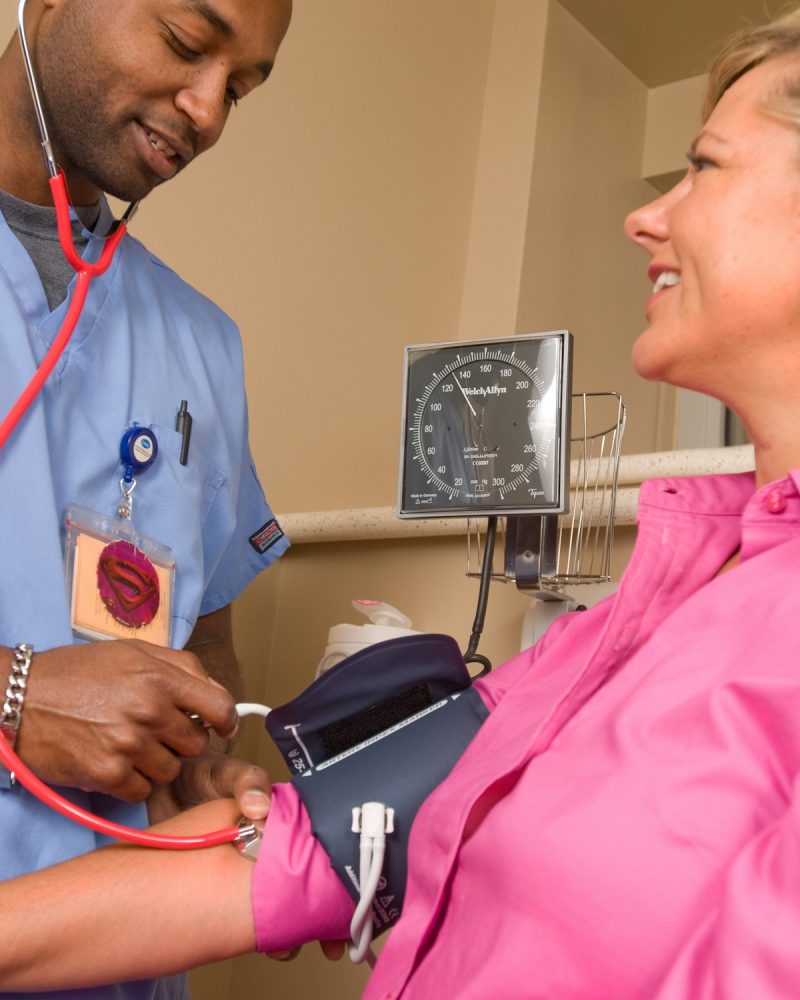
Ultrasound imaging is a non-invasive method to understand vascular disease. It uses sound waves to create a real-time picture of the blood flow in the legs and allows quick identification of vascular issues. The process involves applying a handheld probe, called a doppler, across the outside of the leg with a gel lubricant — all you need to do is lay down.
Testing is typically performed in under one hour and evaluated by our radiologists within 24-48 hours. Our sonographers are highly skilled, knowledgeable, and compassionate. The test is completely pain free and only touches the surface of your skin. Our exams include arterial doppler, venous doppler, and segmental ABI (ankle-brachial index), and more which help identify blockages, insufficiency, and overall vascular function.
Vascular Consultation
During a vascular consultation, the nurse practitioner reviews your ultrasound results and discusses your symptoms to understand how your circulation may be affecting your pain, swelling, or wound healing. They perform a focused exam of your legs and feet, checking pulses, skin temperature, color, and any wounds to assess how well blood is flowing.
Based on this evaluation, they determine whether a procedure such as angiography or angioplasty may help improve circulation and support healing. Our NPs are highly skilled, kind, compassionate, and the best at what they do.
When to Schedule
- You are experiencing leg pain, swelling, numbness, or difficulty walking
- You have a wound on your foot or leg that is slow to heal
- You have diabetes, PAD, or a history of vascular problems
- Skin color changes, cold feet, or pain in the legs at rest
Wound Consultation
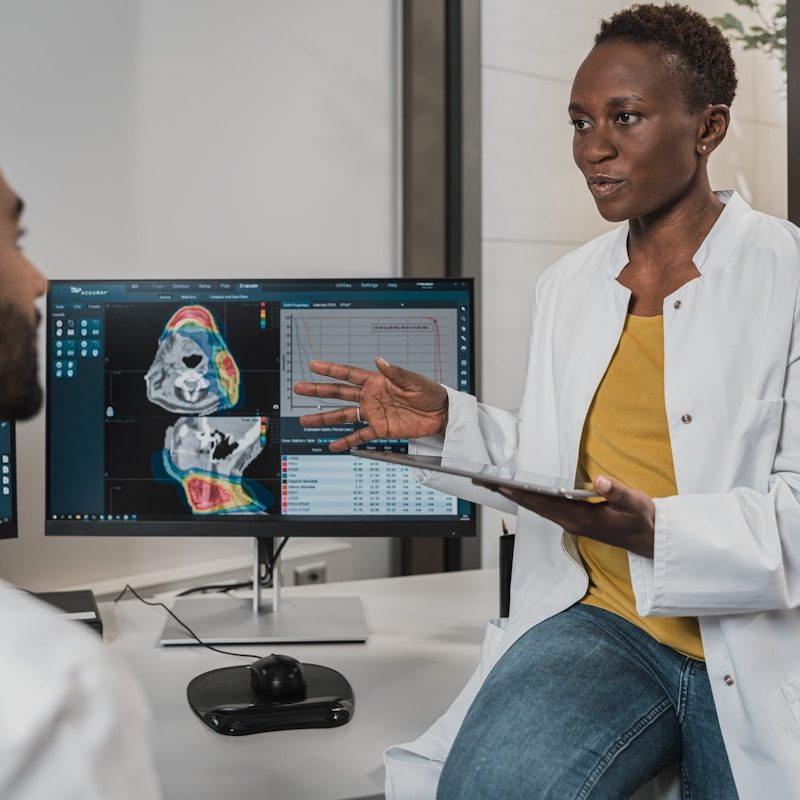
During a wound consultation, the nurse practitioner carefully evaluates your wound and reviews your medical history to understand why the wound may not be healing properly. They examine the wound's size, depth, tissue health, drainage, and surrounding skin, while also assessing circulation and any factors that may affect healing such as diabetes or infection.
Based on this evaluation, they develop a personalized care plan that may include advanced wound treatments, specialized dressings, or additional therapies to help your wound heal safely and effectively.
When to Schedule
- A wound that has not improved after several weeks of standard care
- Wound is increasing in size, drainage, or signs of infection
- Diabetes, circulation problems, or history of chronic wounds
- Wounds on feet or legs after injury, surgery, or pressure
Limb Preservation Consultation
During a limb preservation consultation, the nurse practitioner evaluates your circulation, wounds, and overall leg health to determine why healing may be delayed and how to prevent complications. They review your imaging and medical history while examining your feet and legs for wounds, skin changes, swelling, and signs of poor blood flow.
Based on this evaluation, they help coordinate a personalized treatment plan that may include improving circulation, advanced wound care, and other therapies designed to protect your limb and promote healing. There is help. There is hope. And there are options.
When to Schedule
- You've been told your leg may be at risk for amputation
- Significant circulation issues in your legs or feet
- Wounds or ulcers that are slow to heal
- Diabetes causing numbness, tingling, or loss of sensation
- Leg pain or cramping when walking short distances